
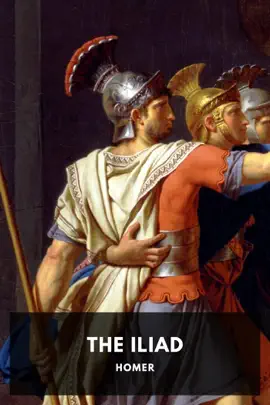
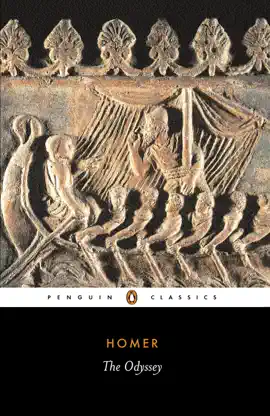
The Iliad is one of the oldest works of Western literature, dating back to classical antiquity. Homer’s epic poem belongs in a collection called the Epic Cycle, which includes the Odyssey. Written in an early literary dialect of ancient Greek, both poems were originally composed in dactylic hexameters. This meter is beautiful in the original but can sound awkward in modern English; Eric McMillan humorously described it as resembling “pumpkins rolling on a barn floor.” In the translation presented here, William Cullen Bryant avoids the problem by using iambic pentameter, a more familiar meter for verse in English.
This epic poem begins with the Achaean army sacking the city of Chryse and capturing two maidens as prizes of war. One of the maidens, Chryseis, is given to Agamemnon, the leader of the Achaeans, and the other maiden, Briseis, was given to the army’s best warrior, Achilles. Chryseis’ father, the city’s priest, prays to the god Apollo and asks for a plague on the Achaean army. To stop this plague, Agamemnon returns Chryseis to her father, but then orders Achilles to give him Briseis as compensation. Achilles refuses.


















![The Complete Harvard Classics 2024 Edition [newly updated]](https://is1-ssl.mzstatic.com/image/thumb/Publication123/v4/50/92/1a/50921a1d-6c1e-aa9c-d2c9-b70c1c5271f0/1021533680.jpg/270x0w.webp)
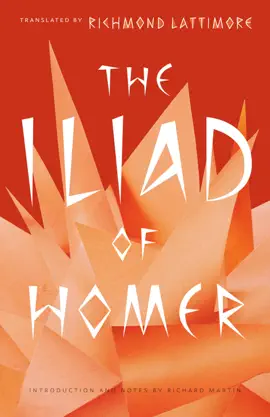






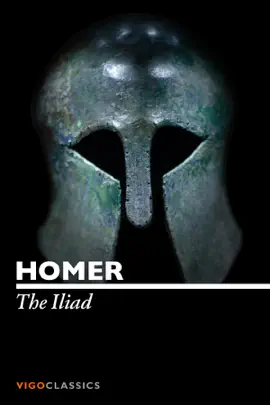
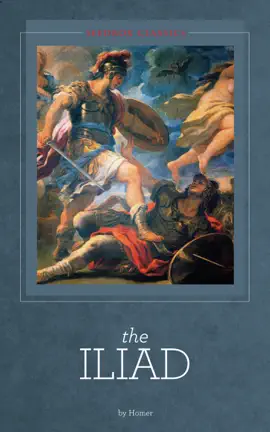
Explore The Iliad by Homer on eBooksStore by Arnlweb. Discover book details, reader ratings, reviews, release information, genres, and related digital books available through the iTunes Store.
This book is part of our growing collection of bestselling eBooks, popular digital reading materials, and trending author releases. Readers can explore similar books, discover new authors, and browse related genres including fiction, romance, mystery, fantasy, business, self-help, educational books, and more.
Our platform helps readers discover highly rated digital books optimized for smartphones, tablets, laptops, and desktop devices. Browse fast-loading book pages, reader reviews, and popular recommendations from bestselling authors worldwide.