
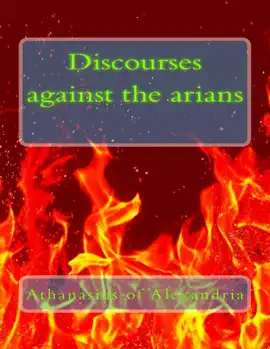
Arianism is the theological teaching attributed to Arius (ca. AD 250–336), a Christian presbyter in Alexandria, Egypt, concerning the relationship of God to the Son of God (Jesus of Nazareth). Arius asserted that the Son of God was a subordinate entity to God the Father. Deemed a heretic by the Ecumenical First Council of Nicaea of 325, Arius was later exonerated in 335 at the regional First Synod of Tyre,[1] and then, after his death, pronounced a heretic again at the Ecumenical First Council of Constantinople of 381. The Roman Emperors Constantius II (337–361) and Valens (364–378) were Arians or Semi-Arians.
The Arian concept of Christ is that the Son of God did not always exist, but was created by—and is therefore distinct from—God the Father. This belief is grounded in the Gospel of John passage “You heard me say, ‘I am going away and I am coming back to you.’ If you loved me, you would be glad that I am going to the Father, for the Father is greater than I." (verse 14:28)

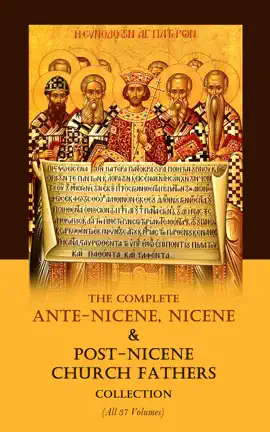
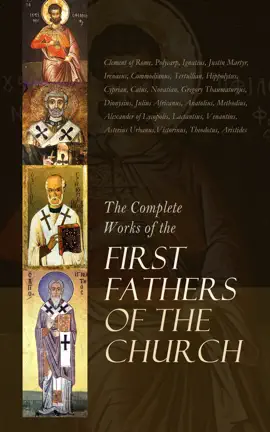
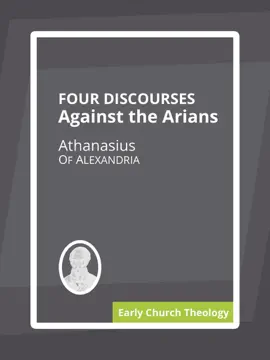











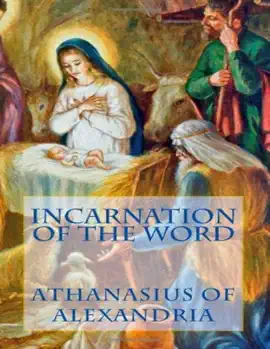













Explore Discourses Against the Arians by Athanasius of Alexandria on eBooksStore by Arnlweb. Discover book details, reader ratings, reviews, release information, genres, and related digital books available through the iTunes Store.
This book is part of our growing collection of bestselling eBooks, popular digital reading materials, and trending author releases. Readers can explore similar books, discover new authors, and browse related genres including fiction, romance, mystery, fantasy, business, self-help, educational books, and more.
Our platform helps readers discover highly rated digital books optimized for smartphones, tablets, laptops, and desktop devices. Browse fast-loading book pages, reader reviews, and popular recommendations from bestselling authors worldwide.