

Thomas Kyd's The Spanish Tragedy is a groundbreaking work of Elizabethan drama and one of the earliest and most influential revenge tragedies in English literature. First performed in the late 16th century, the play set the standard for a genre that would later inspire masterpieces such as Shakespeare's Hamlet. With its gripping plot, emotional intensity, and theatrical innovation, it remains a cornerstone of Renaissance theatre.
The story follows Hieronimo, a respected court official whose life is shattered by the brutal murder of his son, Horatio. Consumed by grief and driven by a relentless desire for justice, Hieronimo embarks on a perilous journey through a world of political intrigue, corruption, and deception. As he uncovers the truth behind the crime, he finds himself trapped in a system that denies him justice, pushing him toward a desperate and calculated act of revenge.
Kyd's play is notable for its powerful exploration of themes such as vengeance, madness, and the moral consequences of violence. The character of Hieronimo is one of the earliest and most compelling tragic figures in English drama, embodying both the anguish of a grieving father and the dangerous allure of revenge. The play also employs innovative dramatic techniques, including the use of a play-within-a-play, which heightens suspense and deepens the emotional impact.
Rich in poetic language and dramatic tension, The Spanish Tragedy creates a dark and haunting atmosphere where justice and revenge become dangerously intertwined. Its portrayal of human suffering, moral conflict, and the breakdown of order resonates far beyond its time, offering a timeless reflection on the consequences of unchecked passion and the quest for retribution.
The Spanish Tragedy remains a vital and compelling work, admired for its influence, dramatic power, and enduring themes. It is essential reading for those interested in classic theatre, Renaissance literature, and the origins of the revenge tragedy tradition.




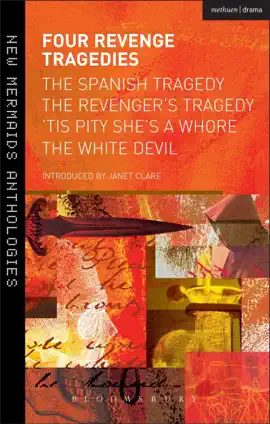




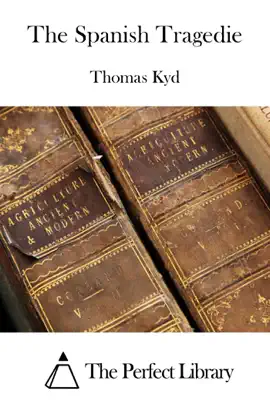






Explore The Spanish Tragedy by Thomas Kyd on eBooksStore by Arnlweb. Discover book details, reader ratings, reviews, release information, genres, and related digital books available through the iTunes Store.
This book is part of our growing collection of bestselling eBooks, popular digital reading materials, and trending author releases. Readers can explore similar books, discover new authors, and browse related genres including fiction, romance, mystery, fantasy, business, self-help, educational books, and more.
Our platform helps readers discover highly rated digital books optimized for smartphones, tablets, laptops, and desktop devices. Browse fast-loading book pages, reader reviews, and popular recommendations from bestselling authors worldwide.