

This book argues that the future of resilient and liveable cities depends on making ecological systems not a supplement to design, but the scaffolding upon which urban life is built. As the final volume in this trilogy, this book advances the conversation from integrating nature into urbanism to embedding it as a primary design principle. The book explores how communities, engineers, planners, and architects can collaborate to regard streets as climate buffers, rooftops as pollinator habitats, and rivers as civic spaces, where each design choice benefits the ecosystem.
The book explores global case studies where the line between the built and natural environment is deliberately blurred. These examples demonstrate how design can be a tool for ecological recovery, from neighborhoods that use natural plants as a passive cooling system to cities that have completely remade districts around restored watersheds. It explores the technology tools that are allowing designers to forecast long-term ecological implications prior to construction.
Beyond infrastructure, the book explores the governance and cultural frameworks that enable these changes, demonstrating how community stewardship and innovative policymaking can lock in ecological gains over many years. It views nature as an active partner in forming urban futures rather than just an aesthetic effect or source of environmental services. The book presents a vision of urban settings in which every building, roadway, and public area is transformed into a location where nature can coexist peacefully with human activity.





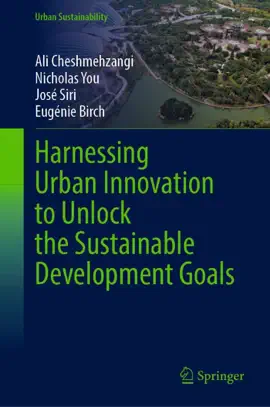

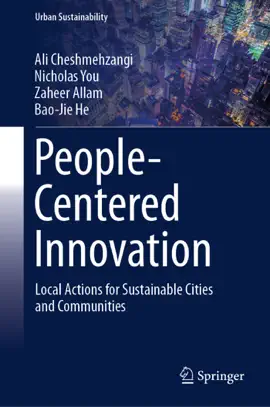


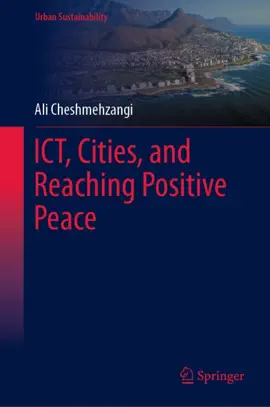

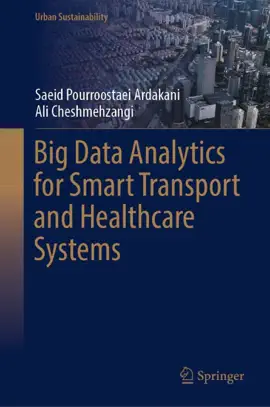
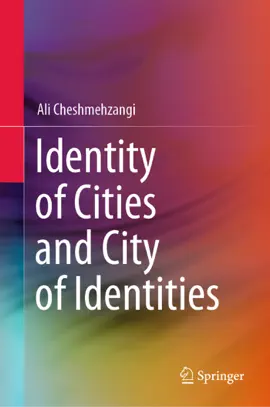
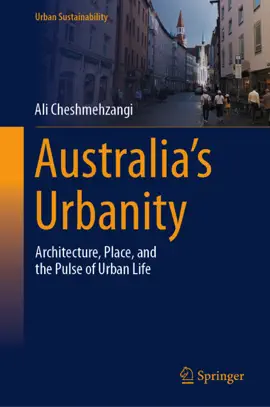
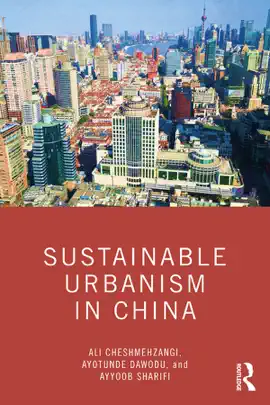

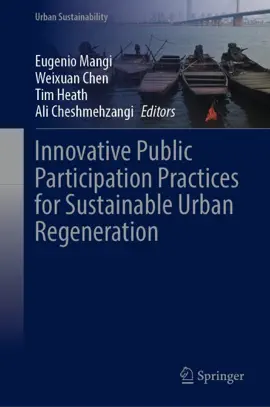


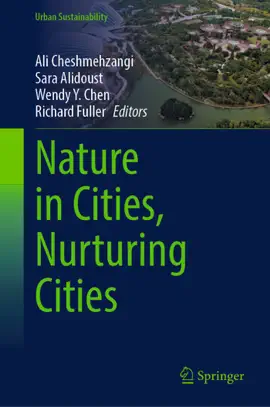



Explore Designing Nature into Cities by Ali Cheshmehzangi, Sara Alidoust, Wendy Y. Chen & Richard Fuller on eBooksStore by Arnlweb. Discover book details, reader ratings, reviews, release information, genres, and related digital books available through the iTunes Store.
This book is part of our growing collection of bestselling eBooks, popular digital reading materials, and trending author releases. Readers can explore similar books, discover new authors, and browse related genres including fiction, romance, mystery, fantasy, business, self-help, educational books, and more.
Our platform helps readers discover highly rated digital books optimized for smartphones, tablets, laptops, and desktop devices. Browse fast-loading book pages, reader reviews, and popular recommendations from bestselling authors worldwide.