
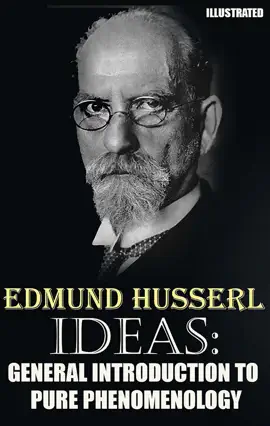
"Ideas: General Introduction to Pure Phenomenology" by Edmund Husserl, first published in 1913, is a foundational work in 20th-century philosophy that formally introduces Husserl's mature system of phenomenology. Building on earlier texts like Logical Investigations, this book seeks to establish phenomenology as a rigorous science of consciousness — one that examines the structures of experience without presuppositions. At the heart of Husserl’s project is the concept of intentionality — the idea that consciousness is always directed toward something, be it a thought, perception, or emotion. He introduces the phenomenological reduction, a method of "bracketing" or suspending judgment about the existence of the external world to analyze how things appear in pure experience. Through this, Husserl aims to reach the essential truths of phenomena. This volume lays out key distinctions between the natural attitude (our everyday way of seeing the world) and the phenomenological attitude (a reflective, philosophical stance). It explores how objects, time, space, and self-awareness emerge from lived experience, positioning consciousness as the foundation for all meaning and knowledge.



























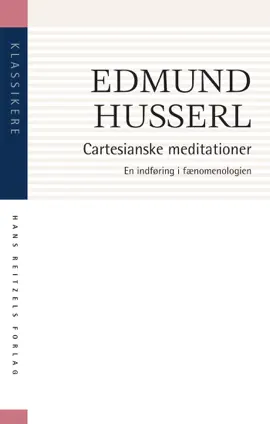











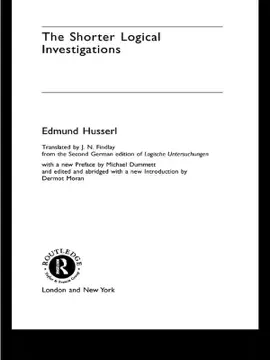

Explore Ideas: General Introduction to Pure Phenomenology. Illustrated by Edmund Husserl on eBooksStore by Arnlweb. Discover book details, reader ratings, reviews, release information, genres, and related digital books available through the iTunes Store.
This book is part of our growing collection of bestselling eBooks, popular digital reading materials, and trending author releases. Readers can explore similar books, discover new authors, and browse related genres including fiction, romance, mystery, fantasy, business, self-help, educational books, and more.
Our platform helps readers discover highly rated digital books optimized for smartphones, tablets, laptops, and desktop devices. Browse fast-loading book pages, reader reviews, and popular recommendations from bestselling authors worldwide.