
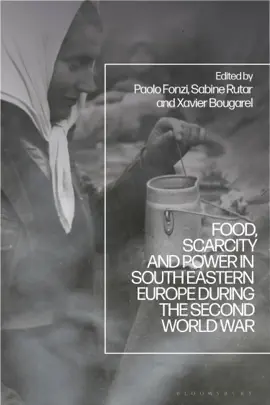
The experience of all occupied countries during the Second World War was characterised by severe material shortages. Food, most noticeably, became a scarcity in everyday life; and that food grew into a major stake for all political groups at this time. This book shines a much-needed spotlight on the political role of food in Southeastern Europe from 1939 to 1945.
Controlling food was a key strategy adopted by all actors – be they occupiers, state institutions, resistance organizations, international humanitarian organizations or private interest groups – in substantiating their bid for power. As a predominantly agrarian area with a substantial peasant population, investigating this topic is particularly poignant for Southeastern Europe. From discussions of searching for and fighting for food to offering relief and instrumentalising of food politically, the chapters in this volume add nuance to discussions on the complex intertwined political and social dynamics of war and occupation. In so doing, this sophisticated study fills an important gap in our understanding of the Second World War, food policy, and the social history of Europe more broadly.


Explore Food, Scarcity and Power in Southeastern Europe during the Second World War by Paolo Fonzi, Sabine Rutar & Xavier Bougarel on eBooksStore by Arnlweb. Discover book details, reader ratings, reviews, release information, genres, and related digital books available through the iTunes Store.
This book is part of our growing collection of bestselling eBooks, popular digital reading materials, and trending author releases. Readers can explore similar books, discover new authors, and browse related genres including fiction, romance, mystery, fantasy, business, self-help, educational books, and more.
Our platform helps readers discover highly rated digital books optimized for smartphones, tablets, laptops, and desktop devices. Browse fast-loading book pages, reader reviews, and popular recommendations from bestselling authors worldwide.