
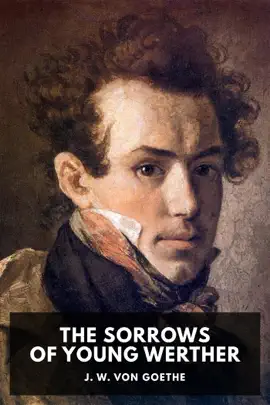
The Great Lisbon Earthquake of 1755 leveled the city of Lisbon and surrounding areas, and killed perhaps as many as 100,000 people. It came at a decisive time in the history of western thought: the melding of Faith, Philosophy, and Science into a post-enlightenment rational view of the universe. In some sense mankind had just begun to believe he had the universe figured out when the universe struck back with a tragedy so terrible in scale it could not be fit into any box of understanding. It was not predicted. It could not have been prevented. It was not rational. And it certainly could not have been the will of a benevolent God.
Lisbon was only one moment in a much larger context—industrialization was upending a pre-historic way of life, science was upending nature, and the first great republics in America and France were about to upend previously unchallenged forms of government. It was the awe, inspiration, and uncertainty of all this change that gave rise, ultimately, to Romanticism in art, literature, and music.
von Goethe is, by some accounts, the father of the romantic period in literature, or at least the proto-romantic Sturm und Drang (“Storm and Stress”) period. And The Sorrows of Young Werther was its genesis. It was Goethe’s first major work, an immediate sensation upon publication, and made Goethe a household name.
While Voltaire parodied rationalism in Candide, Goethe transcended it with the semi-autobiographical story of Werther, a young man governed more by his emotions than his reason, whose only employment is his delight in the romantic ideals of the pastoral lives he finds in the rural town of Walheim. There he also finds Charlotte, and in her an idealized but unobtainable old-world domesticity. Werther’s internal dialog about his growing obsession with Charlotte, and his inability to cope rationally with the fact that she is engaged to—and in love with—another man, form the bulk of the book in the form of a series of ever more intense letters to a friend.
Werther’s descent into sorrow has captivated readers for centuries, helped by Goethe’s intensely beautiful prose (translated here by Boylan), enchanting imagery, and obvious reverence for nature and a dying past.

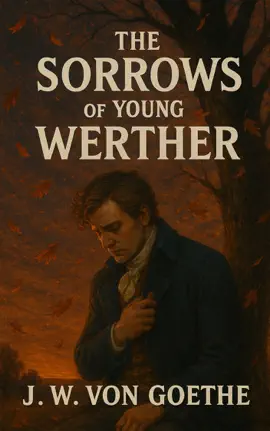

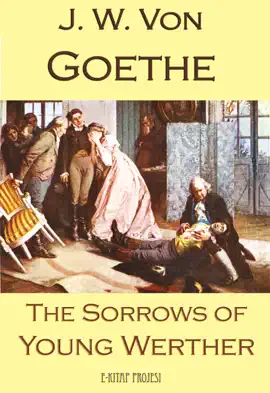

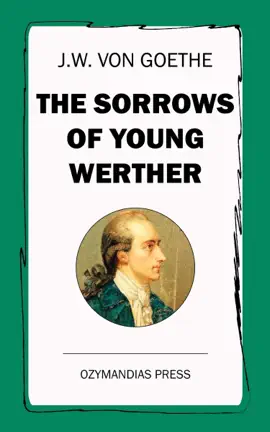


Explore The Sorrows of Young Werther by J. W. von Goethe & R. D. Boylan on eBooksStore by Arnlweb. Discover book details, reader ratings, reviews, release information, genres, and related digital books available through the iTunes Store.
This book is part of our growing collection of bestselling eBooks, popular digital reading materials, and trending author releases. Readers can explore similar books, discover new authors, and browse related genres including fiction, romance, mystery, fantasy, business, self-help, educational books, and more.
Our platform helps readers discover highly rated digital books optimized for smartphones, tablets, laptops, and desktop devices. Browse fast-loading book pages, reader reviews, and popular recommendations from bestselling authors worldwide.