

Japanese folktales are somewhat of a loaded term. In commonplace usage, it signifies a certain set of well-known classic tales, with a vague distinction of whether they fit the rigorous definition of folktale or not.
The admixed imposters are literate written pieces, dating back to the Muromachi period (14th-16th centuries) or even earlier times in the Middle Ages. These would not normally qualify as "folktales" (i.e., pieces collected from oral tradition among the populace).
In a more stringent sense, "Japanese folktales" refer to orally transmitted folk narrative. Systematic collection of specimens was pioneered by folklorist Kunio Yanagita. Yanagita disliked the word minwa (民話?), a coined term directly translated from "folktale" (Yanagita stated that the term was not familiar to actual old folk he collected folktales from, and was not willing to "go along" with the conventions of other countries[1]). He therefore proposed the use of the term mukashibanashi (昔話 "tales of long ago"?) to apply to all creative types of folktales (i.e., those that are not "legendary" types which are more of a reportage).

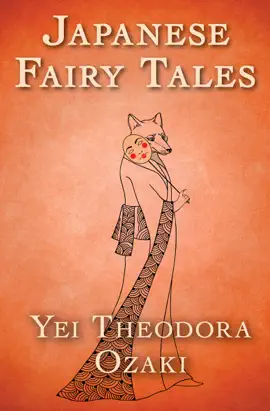
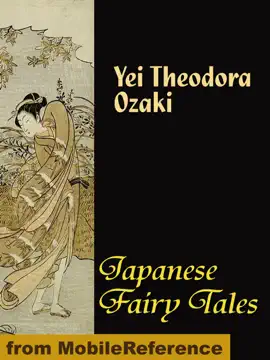
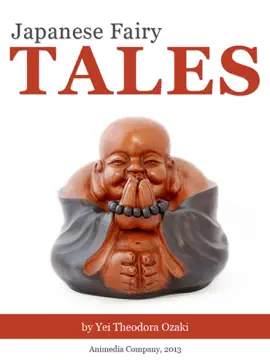

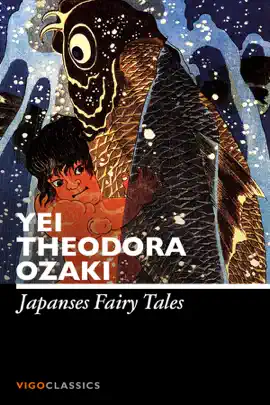

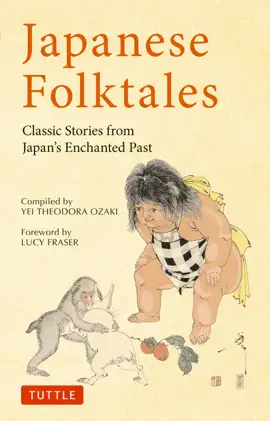


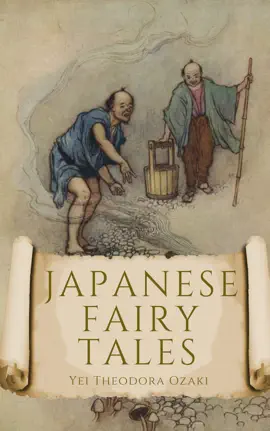


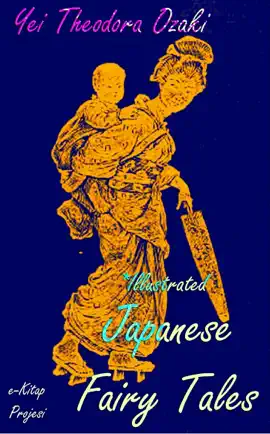
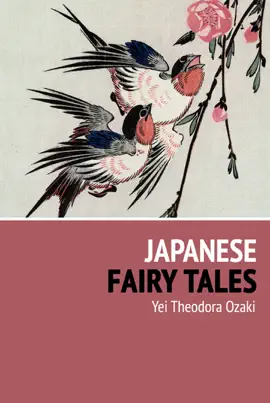
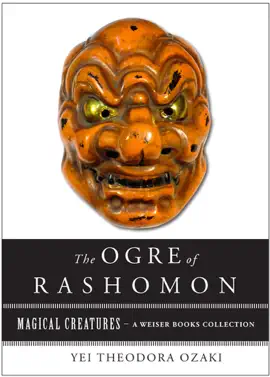


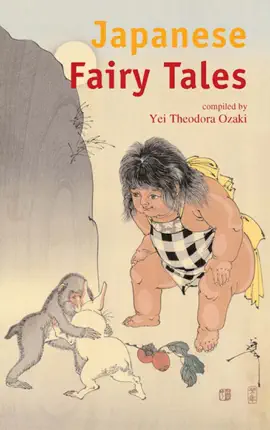
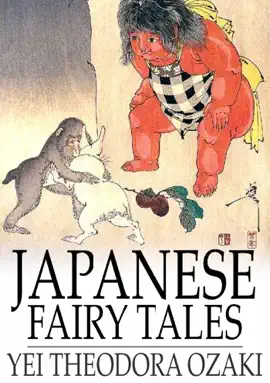



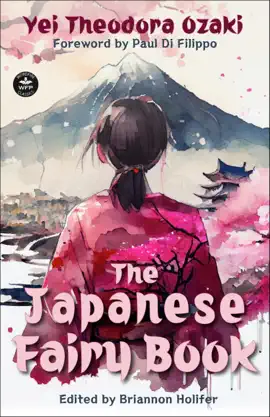



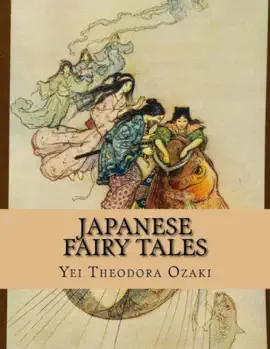
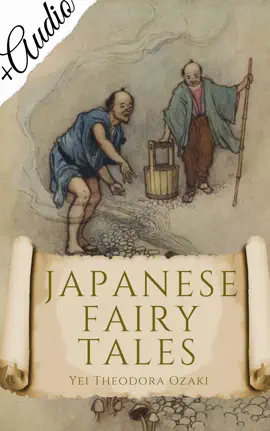
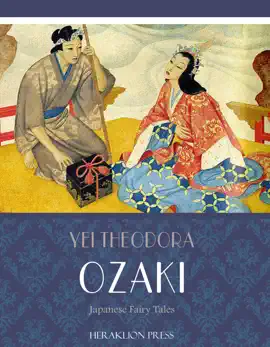

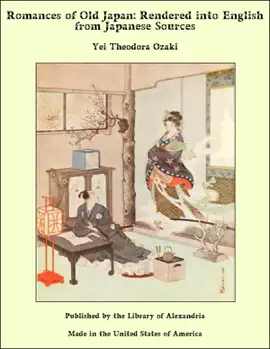

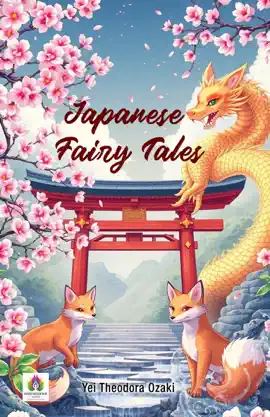

Explore Japanese Fairy Tales by Yei Theodora Ozaki on eBooksStore by Arnlweb. Discover book details, reader ratings, reviews, release information, genres, and related digital books available through the iTunes Store.
This book is part of our growing collection of bestselling eBooks, popular digital reading materials, and trending author releases. Readers can explore similar books, discover new authors, and browse related genres including fiction, romance, mystery, fantasy, business, self-help, educational books, and more.
Our platform helps readers discover highly rated digital books optimized for smartphones, tablets, laptops, and desktop devices. Browse fast-loading book pages, reader reviews, and popular recommendations from bestselling authors worldwide.