
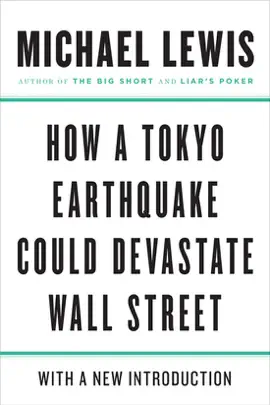
In 1989, Michael Lewis reported on the potential effects of an earthquake in Japan on world financial markets. His insights are once again timely, and they are presented here as a stand-alone essay with a new introduction: “Real Versus Imaginary Japanese Earthquakes.”
In the late 1980s, Japanese scientists were trying to figure out the economic damage that would be caused if a catastrophic earthquake destroyed Tokyo. The answer was bleak, but not for Japan. Kaoru Oda, an economist who worked for Tokai Bank, speculated that the United States would end up paying the most. Why? Japan owned trillions of dollars’ worth of foreign liquid assets and investments. These assets, which the world depended on, would be sold, forcing countries into the precarious position of having to return large amounts of money they might not have. After the recent earthquake, Michael Lewis reexamined this hypothesis and came to a surprising conclusion. With his characteristic sense of humor and wit, Lewis, once again, explains the inner workings of a financial catastrophe.
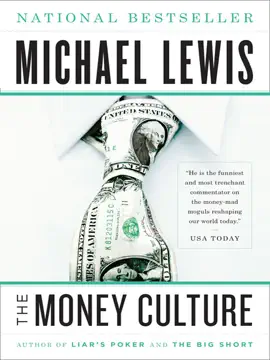
“How a Tokyo Earthquake Could Devastate Wall Street” appears in Michael Lewis’s book The Money Culture.



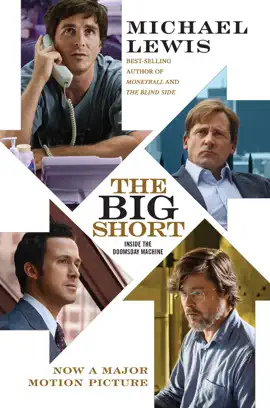


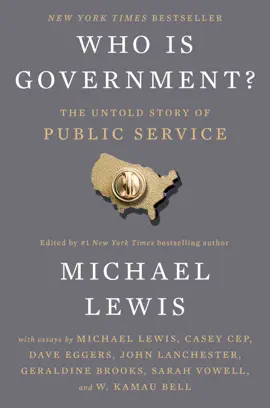
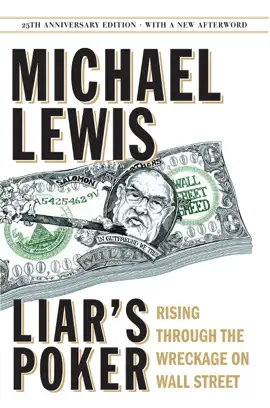
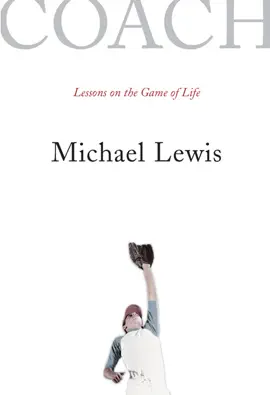












Explore How a Tokyo Earthquake Could Devastate Wall Street by Michael Lewis on eBooksStore by Arnlweb. Discover book details, reader ratings, reviews, release information, genres, and related digital books available through the iTunes Store.
This book is part of our growing collection of bestselling eBooks, popular digital reading materials, and trending author releases. Readers can explore similar books, discover new authors, and browse related genres including fiction, romance, mystery, fantasy, business, self-help, educational books, and more.
Our platform helps readers discover highly rated digital books optimized for smartphones, tablets, laptops, and desktop devices. Browse fast-loading book pages, reader reviews, and popular recommendations from bestselling authors worldwide.