
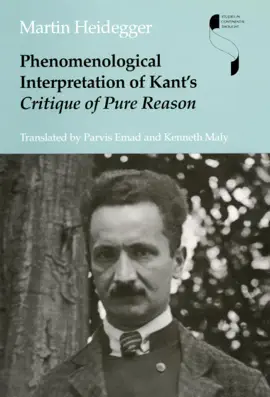
The eminent philosopher delivers an illuminating interpretation of Kant's magnum opus in what is itself a significant work of Western philosophy.
The text of Martin Heidegger's 1927–28 university lecture course on Emmanuel Kant's Critique of Pure Reason presents a close interpretive reading of the first two parts of this masterpiece of modern philosophy. In this course, Heidegger continues the task he enunciated in Being and Time as the problem of dismantling the history of ontology, using temporality as a clue.
Heidegger demonstrates that the relation between philosophy, ontology, and fundamental ontology is rooted in the genesis of the modern mathematical sciences. He also shows that objectification of beings as beings is inseparable from knowledge a priori, the central problem of Kant's Critique. He concludes that objectification rests on the productive power of imagination, a process that involves temporality, which is the basic constitution of humans as beings.

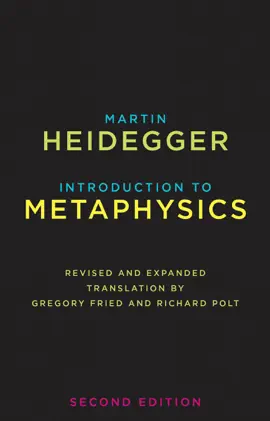

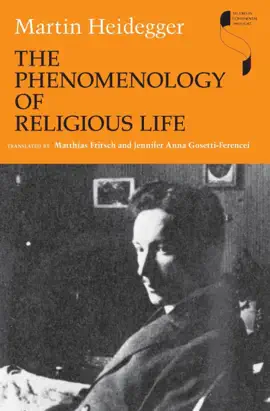
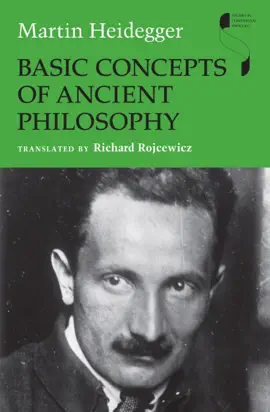

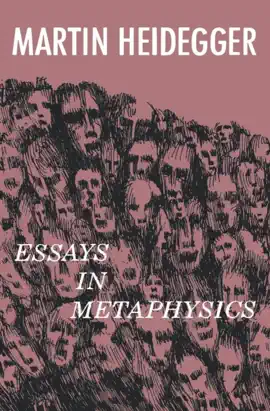
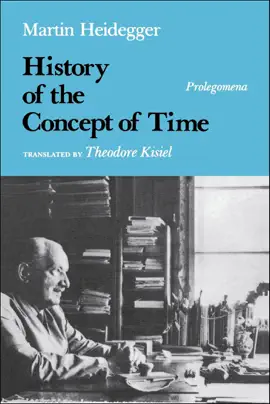




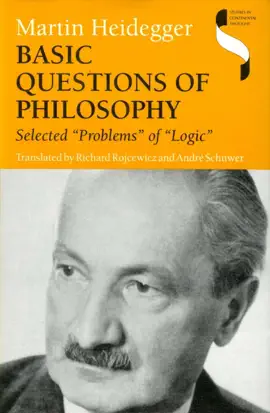
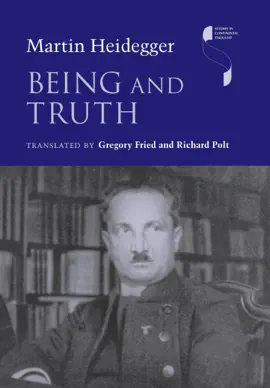
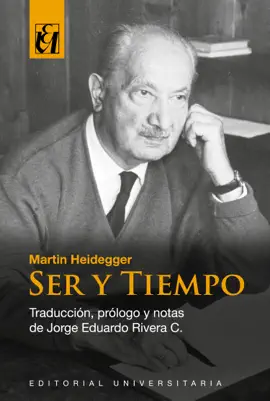




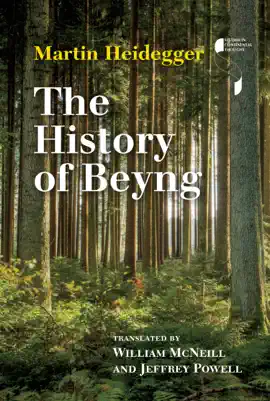
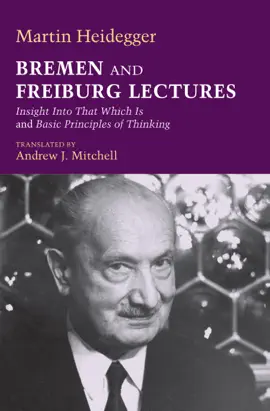
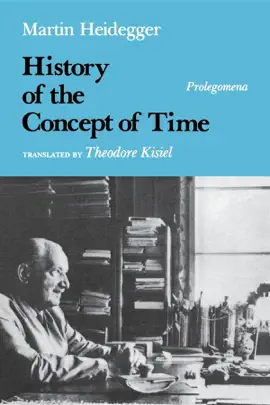










Explore Phenomenological Interpretation of Kant's Critique of Pure Reason by Martin Heidegger on eBooksStore by Arnlweb. Discover book details, reader ratings, reviews, release information, genres, and related digital books available through the iTunes Store.
This book is part of our growing collection of bestselling eBooks, popular digital reading materials, and trending author releases. Readers can explore similar books, discover new authors, and browse related genres including fiction, romance, mystery, fantasy, business, self-help, educational books, and more.
Our platform helps readers discover highly rated digital books optimized for smartphones, tablets, laptops, and desktop devices. Browse fast-loading book pages, reader reviews, and popular recommendations from bestselling authors worldwide.