
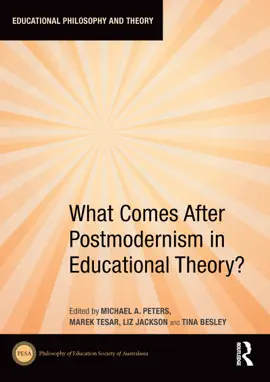
Marking the fiftieth anniversary of the Educational Philosophy and Theory journal, this book brings together the work of over 200 international scholars, who seek to address the question: ‘What happened to postmodernism in educational theory after its alleged demise?’.
Declarations of the death knell of postmodernism are now quite commonplace. Scholars in various disciples have suggested that, if anything, postmodernism is at an end and has been dead and buried for some time. An age dominated by playfulness, hybridity, relativism and the fragmentary self has given way to something else—as yet undefined. The lifecycle of postmodernism started with Derrida’s 1966 seminal paper ‘Structure, Sign and Play in the Discourse of the Human Sciences’; its peak years were 1973–1989; followed by uncertainty and reorientation in the 1990s; and the aftermath and beyond (McHale, 2015). What happened after 2001? This collection provides responses by over 200 scholars to this question who also focus on what comes after postmodernism in educational theory.
This book was originally published as a special issue of the journal Educational Philosophy and Theory.



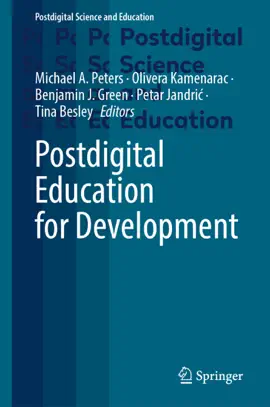
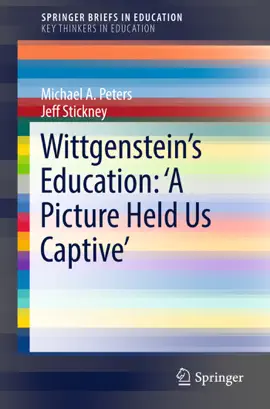

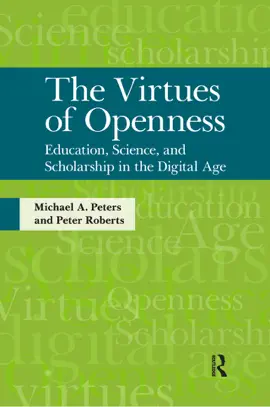

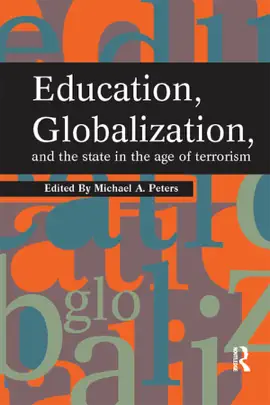
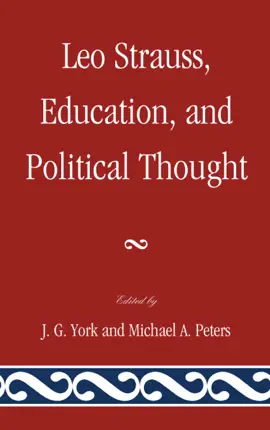
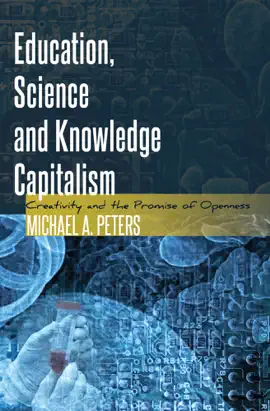
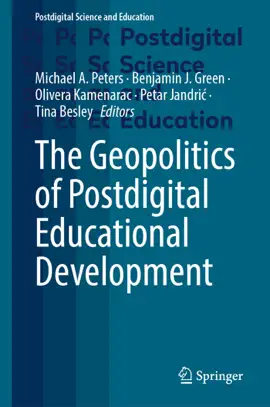

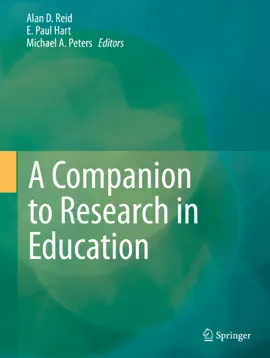
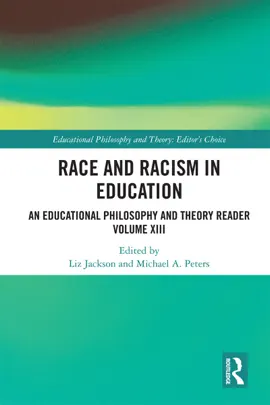

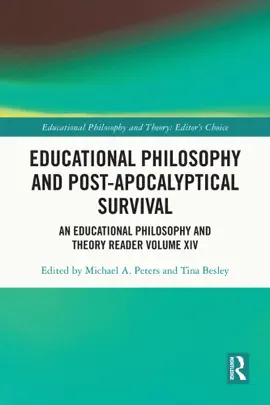

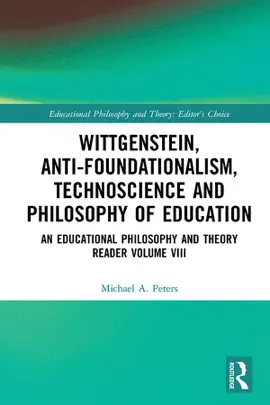
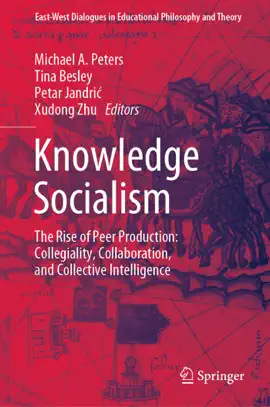







Explore What Comes After Postmodernism in Educational Theory? by Michael A. Peters, Marek Tesar, Liz Jackson & Tina Besley on eBooksStore by Arnlweb. Discover book details, reader ratings, reviews, release information, genres, and related digital books available through the iTunes Store.
This book is part of our growing collection of bestselling eBooks, popular digital reading materials, and trending author releases. Readers can explore similar books, discover new authors, and browse related genres including fiction, romance, mystery, fantasy, business, self-help, educational books, and more.
Our platform helps readers discover highly rated digital books optimized for smartphones, tablets, laptops, and desktop devices. Browse fast-loading book pages, reader reviews, and popular recommendations from bestselling authors worldwide.