
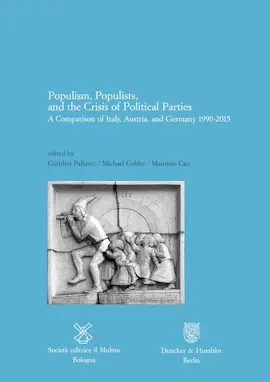
The last decades have witnessed a renaissance and a new boom in the concept of populism. What was decisive for this trend was the electoral success of various populist political parties and leaders. Scholars of history and social sciences have attempted to define, delineate, and categorize populism, which has resulted in different theoretical approaches and explanatory models. One approach understands populism as a “thin centered” ideology, i.e. one that is slim and unfinished. A second approach views populism as a strategic concept for political mobilization primarily concentrated on three strategic aspects: policy choices, political organization, and forms of mobilization. A third approach describes populism as a form of communication based on the dichotomy between the positively perceived collective and the negatively perceived elites.




Explore Populism, Populists, and the Crisis of Political Parties by Günther Pallaver, Michael Gehler & Maurizio Cau on eBooksStore by Arnlweb. Discover book details, reader ratings, reviews, release information, genres, and related digital books available through the iTunes Store.
This book is part of our growing collection of bestselling eBooks, popular digital reading materials, and trending author releases. Readers can explore similar books, discover new authors, and browse related genres including fiction, romance, mystery, fantasy, business, self-help, educational books, and more.
Our platform helps readers discover highly rated digital books optimized for smartphones, tablets, laptops, and desktop devices. Browse fast-loading book pages, reader reviews, and popular recommendations from bestselling authors worldwide.