

Humans are weak. Lacking the claws and thick skins of other animals, we are forced to rely on members of our own species to survive and flourish in the world. The fact that the human infant is born in an utterly helpless state also makes others' protective care necessary. Attachment, bonding, concern, and mutuality thus become cornerstones of human existence. Trust also enters this equation. Originating in the early mother-child relationship, trust continues to grow, get contextually refined tempered by reality testing, and gain nuances throughout the subsequent adult life. Its absence (mistrust) or malformation (distrust) contributes to psychopathology and is responsible for much intrapsychic distress and interpersonal strife. Given its formative significance and it crucial role in the therapeutic process, one is surprised by the paucity of psychoanalytic writings specifically devoted to the topic of trust and mistrust. Few, if any, monographs on trust exist. A collection of essays written specifically for this volume, it deals with the ontogenesis, psychopathology, cultural vicissitudes, and technical implications of trust and mistrust.










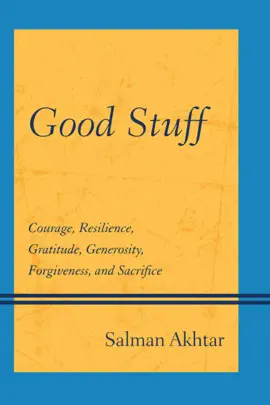
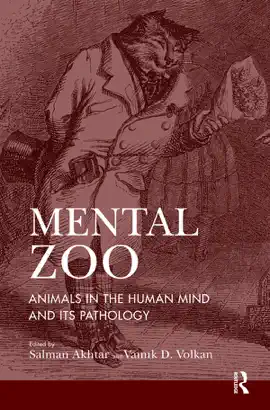

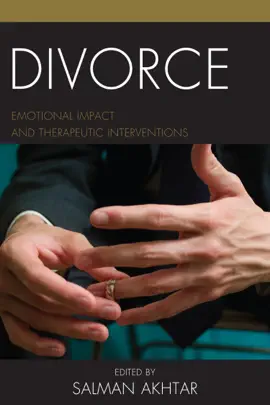

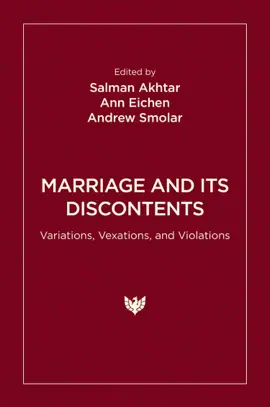











Explore Mistrust by Salman Akhtar on eBooksStore by Arnlweb. Discover book details, reader ratings, reviews, release information, genres, and related digital books available through the iTunes Store.
This book is part of our growing collection of bestselling eBooks, popular digital reading materials, and trending author releases. Readers can explore similar books, discover new authors, and browse related genres including fiction, romance, mystery, fantasy, business, self-help, educational books, and more.
Our platform helps readers discover highly rated digital books optimized for smartphones, tablets, laptops, and desktop devices. Browse fast-loading book pages, reader reviews, and popular recommendations from bestselling authors worldwide.