

The book consists of three essays and is an extension of Freud’s work on psychoanalytic theory as a means of generating hypotheses about historical events. Freud hypothesizes that Moses was not Hebrew, but actually born into Ancient Egyptian nobility and was probably a follower of Akhenaten, an ancient Egyptian monotheist. Freud contradicts the biblical story of Moses with his own retelling of events, claiming that Moses only led his close followers into freedom during an unstable period in Egyptian history after Akhenaten (ca. 1350 BCE) and that they subsequently killed Moses in rebellion and later combined with another monotheistic tribe in Midian based on a volcanic God, Jahweh. Freud explains that years after the murder of Moses, the rebels regretted their action, thus forming the concept of the Messiah as a hope for the return of Moses as the Saviour of the Israelites. Freud said that the guilt from the murder of Moses is inherited through the generations; this guilt then drives the Jews to religion to make them feel better.





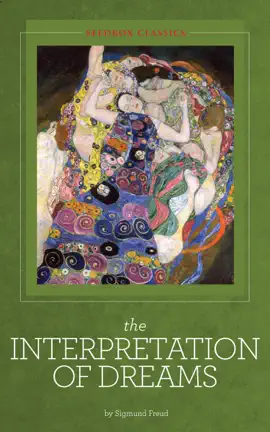





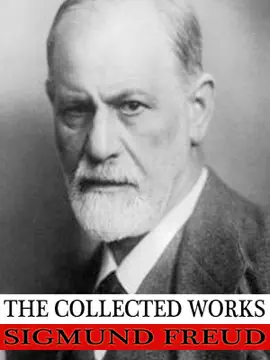



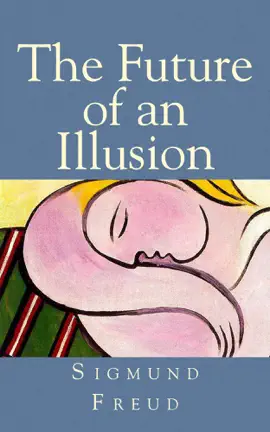


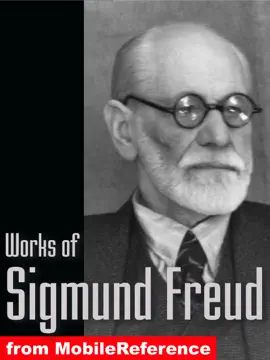
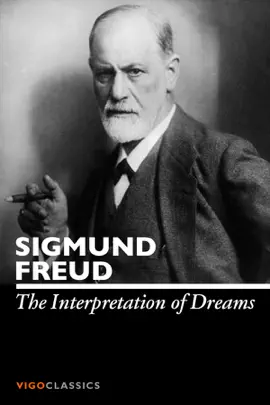






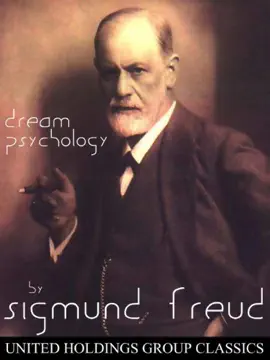












Explore Moses and Monotheism by Sigmund Freud on eBooksStore by Arnlweb. Discover book details, reader ratings, reviews, release information, genres, and related digital books available through the iTunes Store.
This book is part of our growing collection of bestselling eBooks, popular digital reading materials, and trending author releases. Readers can explore similar books, discover new authors, and browse related genres including fiction, romance, mystery, fantasy, business, self-help, educational books, and more.
Our platform helps readers discover highly rated digital books optimized for smartphones, tablets, laptops, and desktop devices. Browse fast-loading book pages, reader reviews, and popular recommendations from bestselling authors worldwide.