
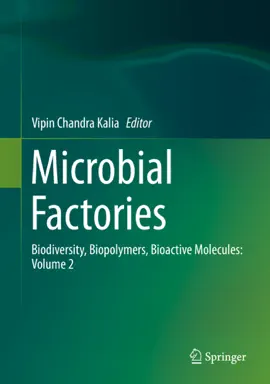
This book highlights the efforts made by distinguished scientific researchers world-wide to meet two key challenges: i) the limited reserves of polluting fossil fuels, and ii) the ever-increasing amounts of waste being generated. These case studies have brought to the foreground certain innovative biological solutions to real-life problems we now face on a global scale: environmental pollution and its role in deteriorating human health. The book also highlights major advances in microbial metabolisms, which can be used to produce bioenergy, biopolymers, bioactive molecules, enzymes, etc. Around the world, countries like China, Germany, France, Sweden and the US are now implementing major national programs for the production of biofuels. The book provides information on how to meet the chief technical challenges – identifying an industrially robust microbe and cheap raw material as feed. Of the various possibilities for generating bioenergy, the most attractive is the microbial production of biohydrogen, which has recently gained significant recognition worldwide, due to its high efficiency and eco-friendly nature. Further, the book highlights factors that can make these bioprocesses more economical, especially the cost of the feed. The anaerobic digestion (AD) process is more advantageous in comparison to aerobic processes for stabilizing biowastes and producing biofuels (hydrogen, biodiesel, 1,3-propanediol, methane, electricity), biopolymers (polyhydroxyalkanoates, cellulose, exopolysaccharides) and bioactive molecules (such as enzymes, volatile fatty acids, sugars, toxins, etc.) for biotechnological and medical applications. Information is provided on how the advent of molecular biological techniques can provide greater insights into novel microbial lineages. Bioinformatic tools and metagenomic techniques have extended the limits to which these biological processes can be exploited to improvehuman welfare. A new dimension to these scientific works has been added by the emergence of synthetic biology. The Big Question is: How can these Microbial Factories be improved through metabolic engineering and what cost targets need to be met?
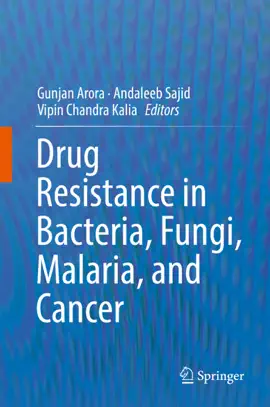


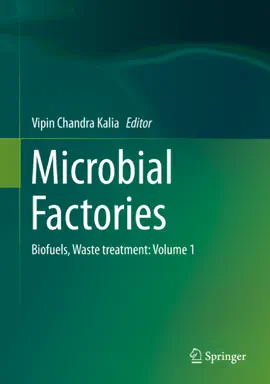

Explore Microbial Factories by Vipin Chandra Kalia on eBooksStore by Arnlweb. Discover book details, reader ratings, reviews, release information, genres, and related digital books available through the iTunes Store.
This book is part of our growing collection of bestselling eBooks, popular digital reading materials, and trending author releases. Readers can explore similar books, discover new authors, and browse related genres including fiction, romance, mystery, fantasy, business, self-help, educational books, and more.
Our platform helps readers discover highly rated digital books optimized for smartphones, tablets, laptops, and desktop devices. Browse fast-loading book pages, reader reviews, and popular recommendations from bestselling authors worldwide.