
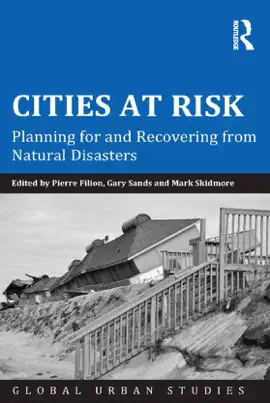
As levels of urbanization increase around the world, the growing concentrations of population and economic activity increases vulnerability to natural disasters. Interdependencies among urban populations mean that damage to the built environment, including water, sewer and energy infrastructure, can affect millions. Even if there is no change in the rate of occurrence of natural disasters (an unlikely prospect in the face of ongoing climate change) the potential for human and economic loss will continue to increase, along with the time required to recover. How do cities prepare for and recover from natural disasters? In this book, the authors provide a broad overview of the issues related to the impacts of disasters on cities around the world, from assessing risks to accounting for damages. The comparative approach across different types of disasters in a range of urban locations is useful in identifying opportunities for policy transfer. While there is no ’one size fits all’ solution to hazard mitigation, valuable lessons can be learned from the experiences of others. The chapters emphasize different modes for assessing hazard risk, as well as strategies for increasing the resiliency of vulnerable populations.



Explore Cities at Risk by Pierre Filion & Gary Sands on eBooksStore by Arnlweb. Discover book details, reader ratings, reviews, release information, genres, and related digital books available through the iTunes Store.
This book is part of our growing collection of bestselling eBooks, popular digital reading materials, and trending author releases. Readers can explore similar books, discover new authors, and browse related genres including fiction, romance, mystery, fantasy, business, self-help, educational books, and more.
Our platform helps readers discover highly rated digital books optimized for smartphones, tablets, laptops, and desktop devices. Browse fast-loading book pages, reader reviews, and popular recommendations from bestselling authors worldwide.