

Margaret Atwood describes how she came to write her utopian, dystopian works.
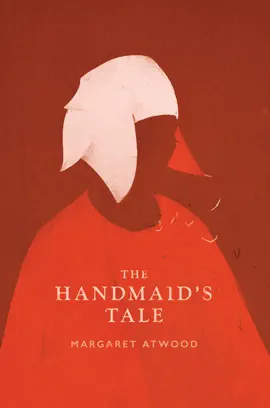
The word “utopia” comes from Thomas More’s book of the same name—meaning “no place” or “good place,” or both. In “Dire Cartographies,” from the essay collection In Other Worlds, Atwood coins the term “ustopia,” which combines utopia and dystopia, the imagined perfect society and its opposite. Each contains latent versions of the other. Following her intellectual journey and growing familiarity with ustopias fictional and real, from Atlantis to Avatar and Beowulf to Berlin in 1984 (and 1984), Atwood explains how years after abandoning a PhD thesis with chapters on good and bad societies, she produced novel-length dystopias and ustopias of her own. “My rules for The Handmaid’s Tale were simple,” Atwood writes. “I would not put into this book anything that humankind had not already done, somewhere, sometime, or for which it did not already have the tools.” With great wit and erudition, Atwood reveals the history behind her beloved creations.
An ebook short.




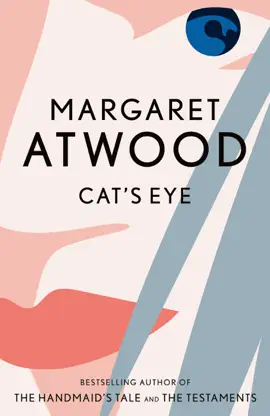


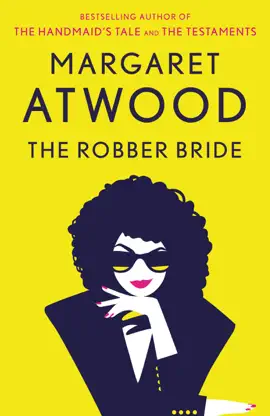
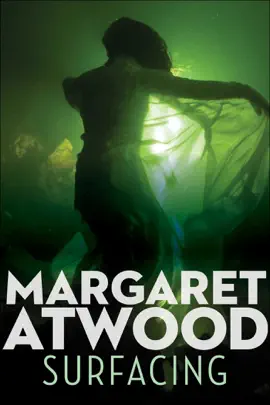


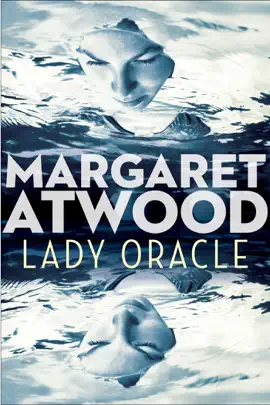
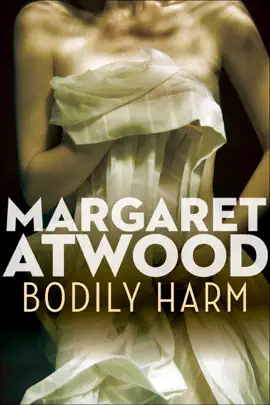


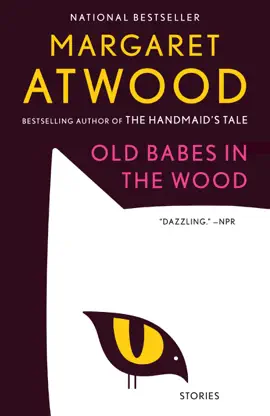


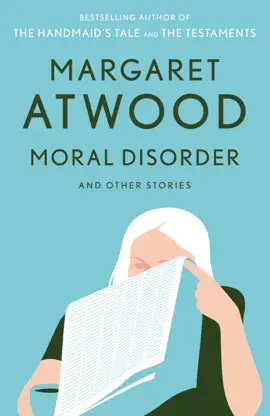

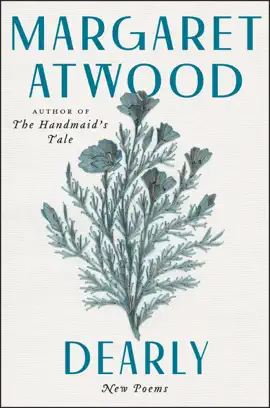


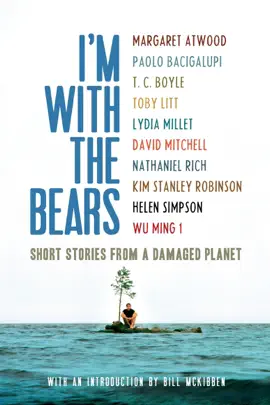

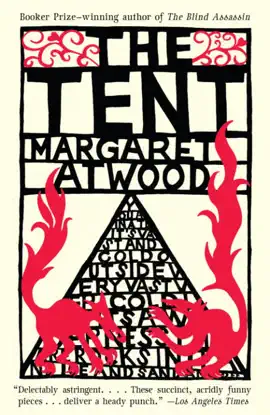


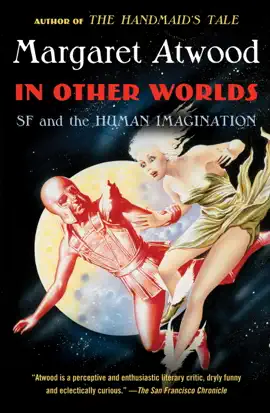
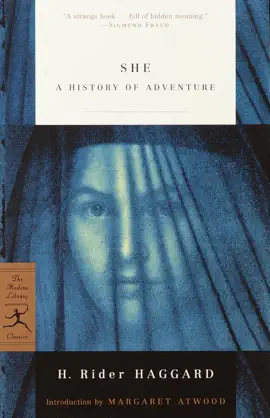






Explore Dire Cartographies by Margaret Atwood on eBooksStore by Arnlweb. Discover book details, reader ratings, reviews, release information, genres, and related digital books available through the iTunes Store.
This book is part of our growing collection of bestselling eBooks, popular digital reading materials, and trending author releases. Readers can explore similar books, discover new authors, and browse related genres including fiction, romance, mystery, fantasy, business, self-help, educational books, and more.
Our platform helps readers discover highly rated digital books optimized for smartphones, tablets, laptops, and desktop devices. Browse fast-loading book pages, reader reviews, and popular recommendations from bestselling authors worldwide.